Explosive Ordnance Disposal
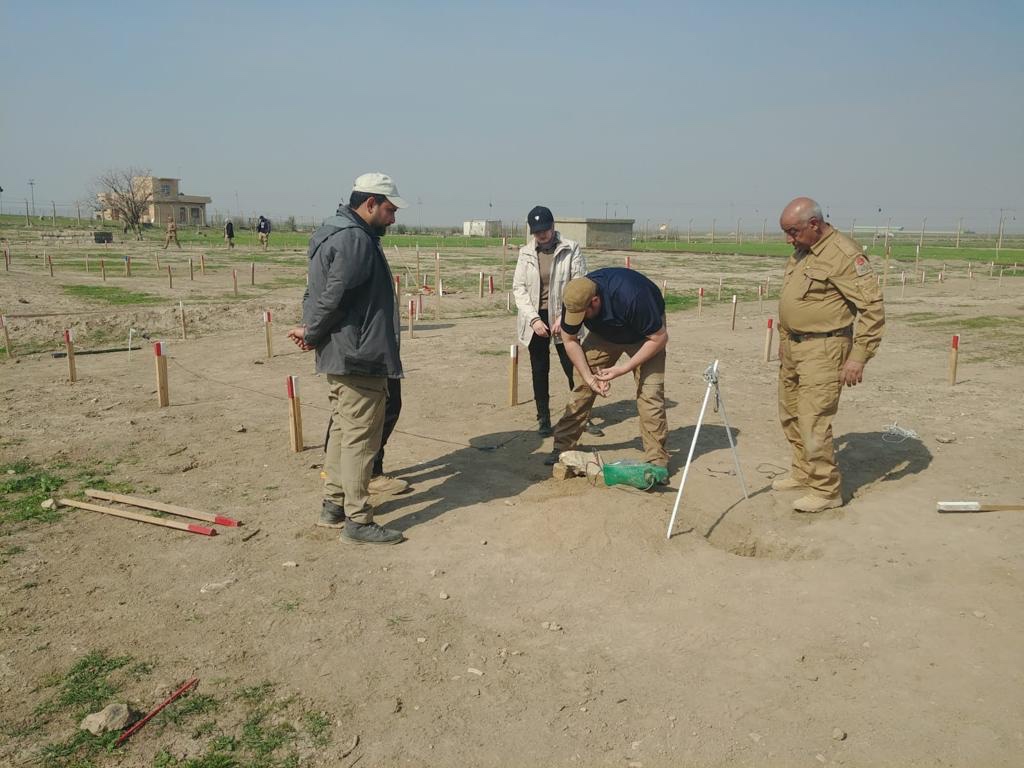
EOD training aligned with International Mine Action Standards, applicable national standards, and the competency requirements of each operational role.
Our work
IGR helps people operate safely in places affected by conflict and explosive hazards. We combine field expertise, operational support, practical training, and long-term partnership to address urgent threats and support lasting stability.
How it comes together
IGR connects technical advising, training, humanitarian mine action, humanitarian support, stabilization support, and advocacy. Each serves a distinct purpose, but all are shaped by the same principle: understand the need, work with the people responsible for meeting it, and leave stronger systems and safer practice behind.
Technical advising
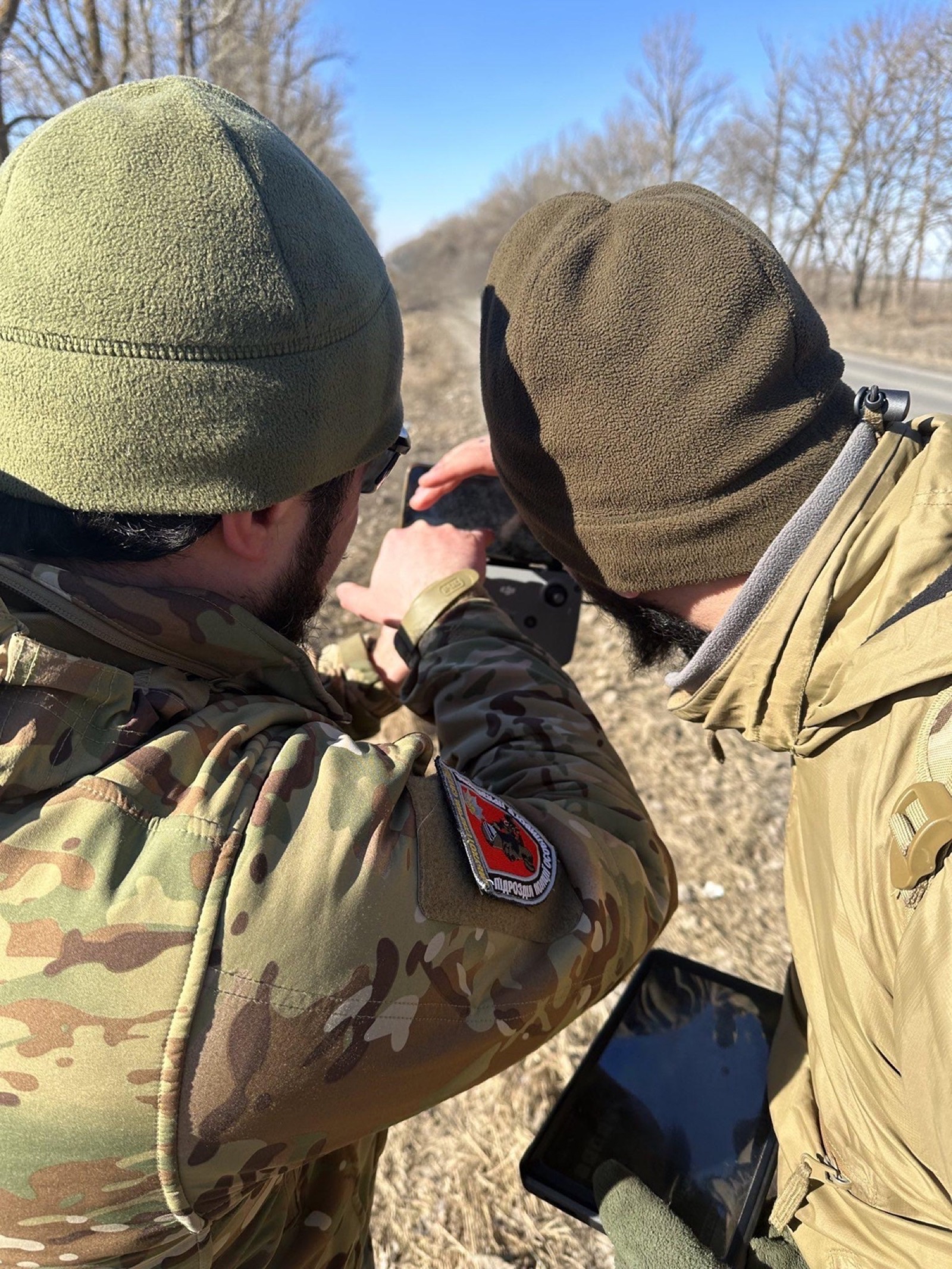
IGR supports national authorities, emergency services, local operators, and international partners as they assess emerging threats, strengthen technical responses, and adapt operations as conditions change.
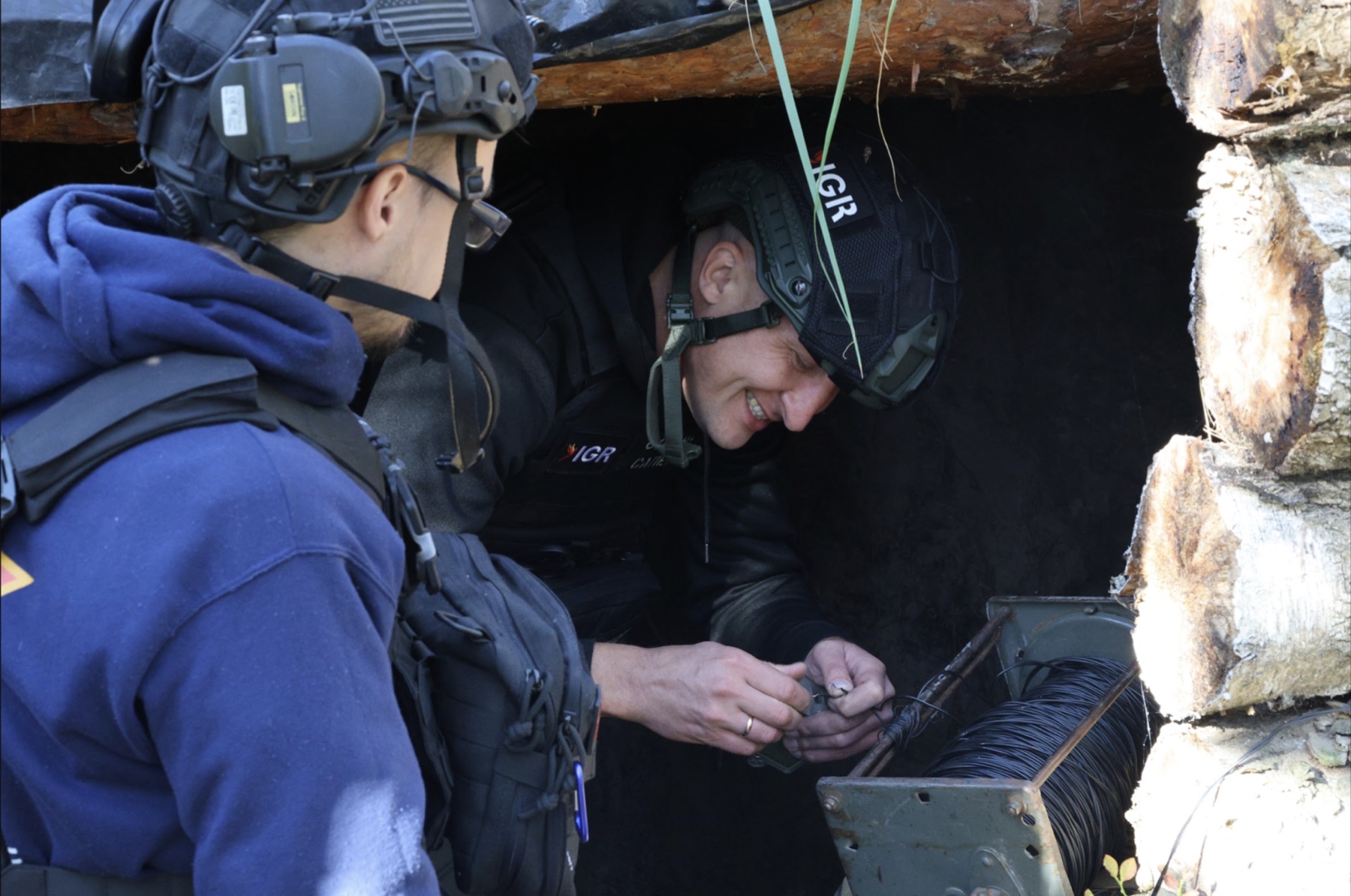
Our advisors draw on field experience in explosive ordnance disposal, counter-IED operations, mine action, training, and international security assistance. Depending on the mission, advisory engagements include operational assessments, program design, technical procedures, equipment integration, mentoring, and coordination with national and international stakeholders.
Training
IGR delivers practical, standards-aligned training for mine action personnel, emergency responders, humanitarian teams, and military, police, and security services operating in high-risk environments.
Programs reflect participants’ responsibilities, equipment, and operating conditions, with practical exercises and assessment built around the skills they are expected to apply.
IGR can deliver standalone courses or serve as a specialized training partner within broader government, UN, and donor-funded programs. Engagements can include training needs assessments, curriculum development, train-the-trainer delivery, mentoring, practical evaluation, and after-action reporting.
EOD training aligned with International Mine Action Standards, applicable national standards, and the competency requirements of each operational role.
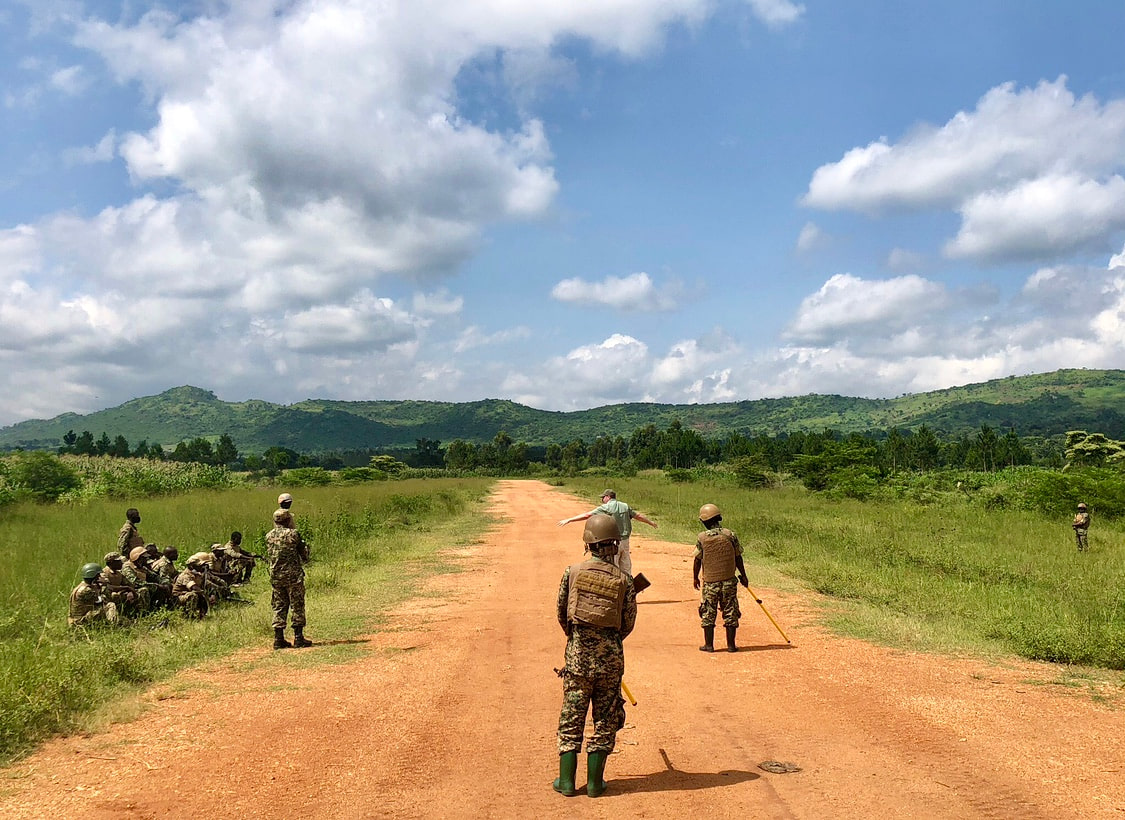
Role-specific training for authorized personnel addressing improvised explosive devices and unmanned aircraft threats. Programs can include threat recognition, explosive search and detection, incident response, C-IED procedures, UAS threat awareness, and integration into existing operations.
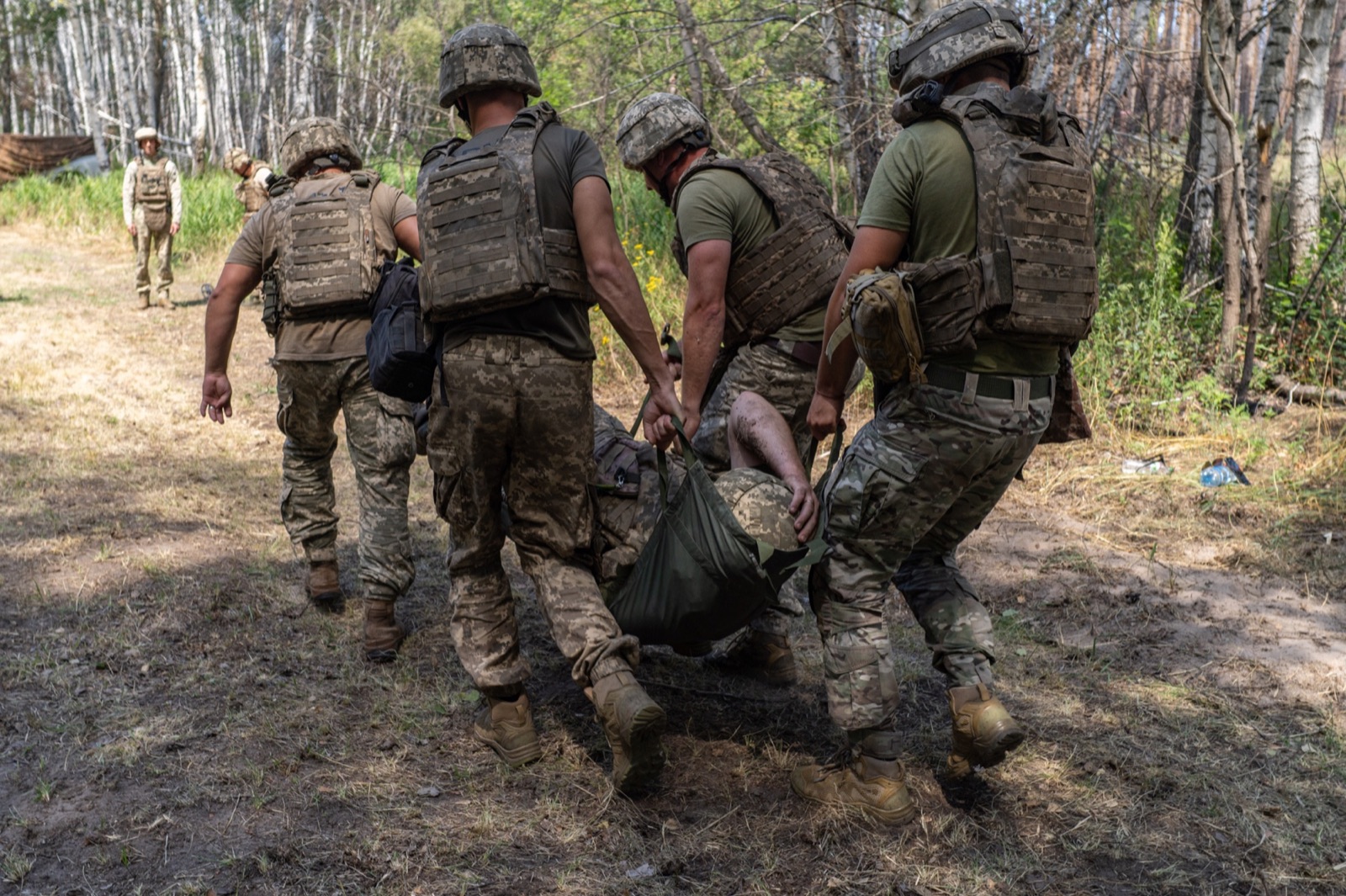
Practical trauma-care training for personnel working where hazards, limited resources, or delayed evacuation complicate treatment. Programs range from foundational first aid and hemorrhage control to Tactical Combat Casualty Care (TCCC)-aligned instruction covering casualty assessment, wound packing, tourniquet use, airway and chest-trauma management, hypothermia prevention, casualty movement, and evacuation planning. Courses and practical assessments are adapted to the responsibilities and operating environments of humanitarian and mine-action teams, emergency responders, medical professionals, and authorized security services.
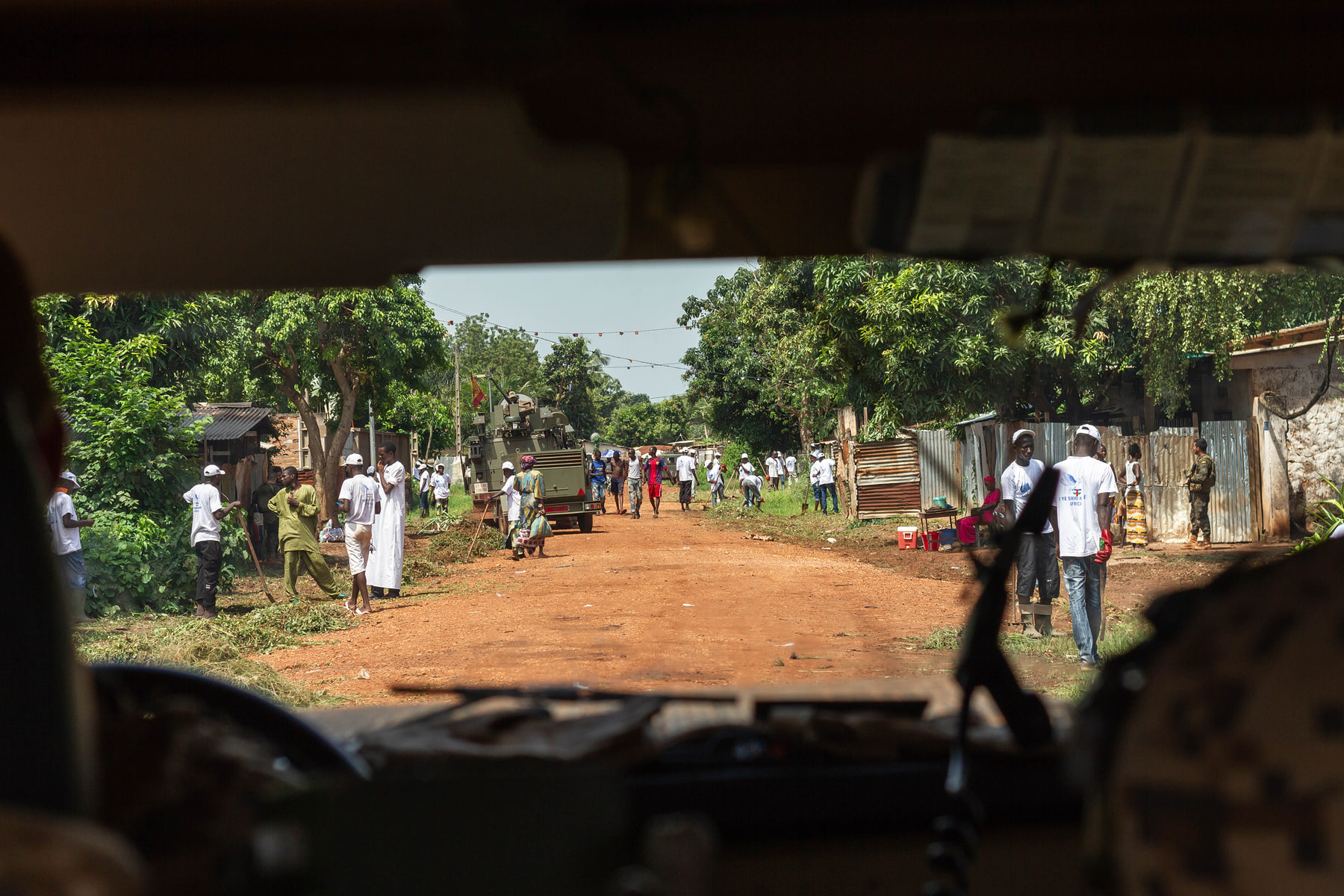
Scenario-based preparation for humanitarian, diplomatic, development, and other civilian personnel entering conflict-affected or high-risk environments. Training can include situational awareness, journey management, vehicle and checkpoint procedures, communications, emergency first aid, incident response, and actions during civil unrest, armed attack, or evacuation. Courses are tailored to organizational risk profiles, travel patterns, and operating procedures.
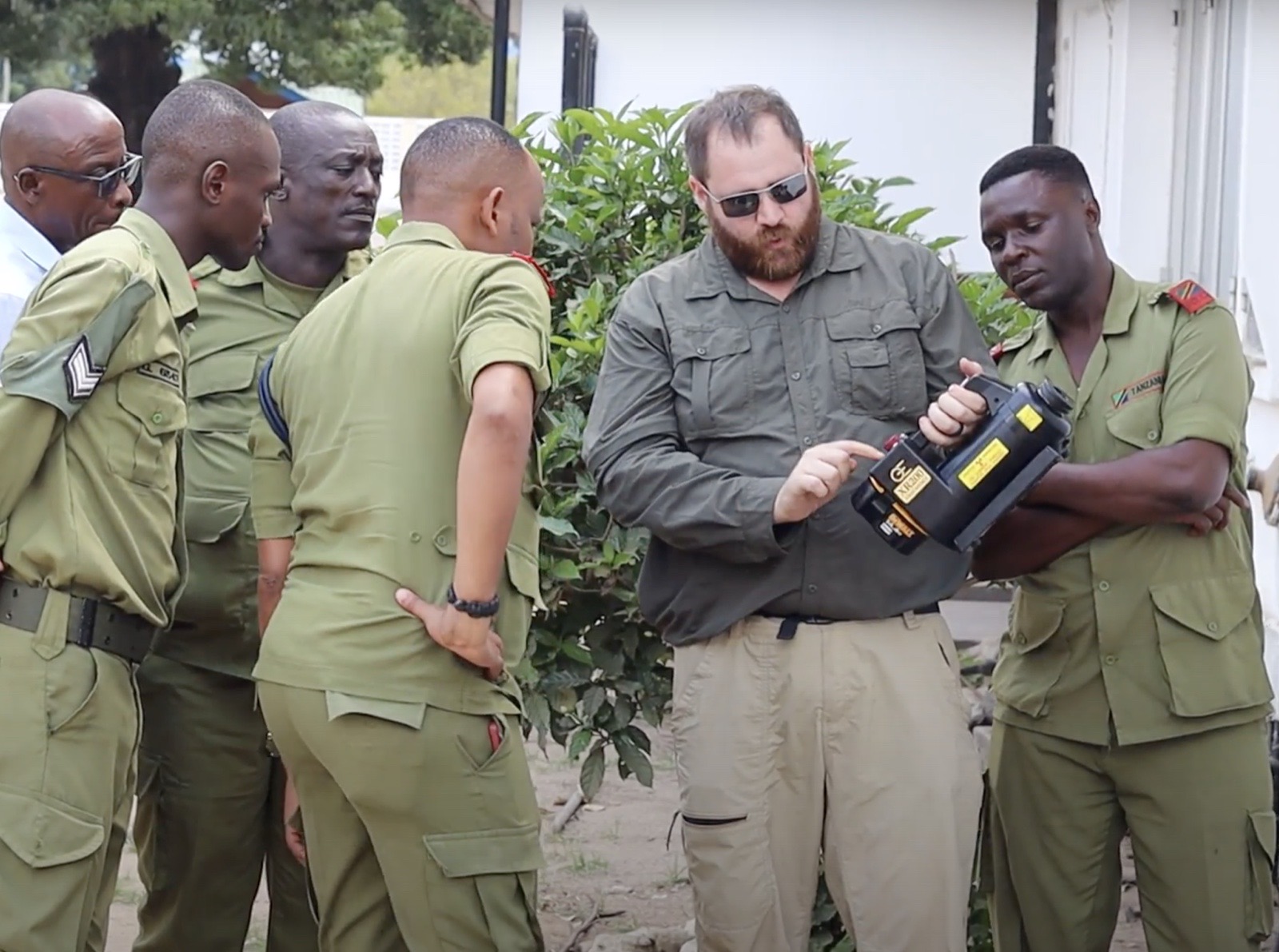
Tailored technical, medical, safety, and instructor-development programs for military personnel, police, border authorities, and other authorized security forces. Training can be paired with mentoring, train-the-trainer support, equipment integration, interagency exercises, and operational sustainment.
Humanitarian mine action
Mine action begins with the people living with the threat. It does not begin with a machine, a detector, or a predetermined solution.
IGR combines community knowledge with operational evidence to understand contamination, reduce immediate risk, and select the response the situation actually requires. The process remains connected from the first community conversation through assessment and clearance to the restoration of safe land and access.
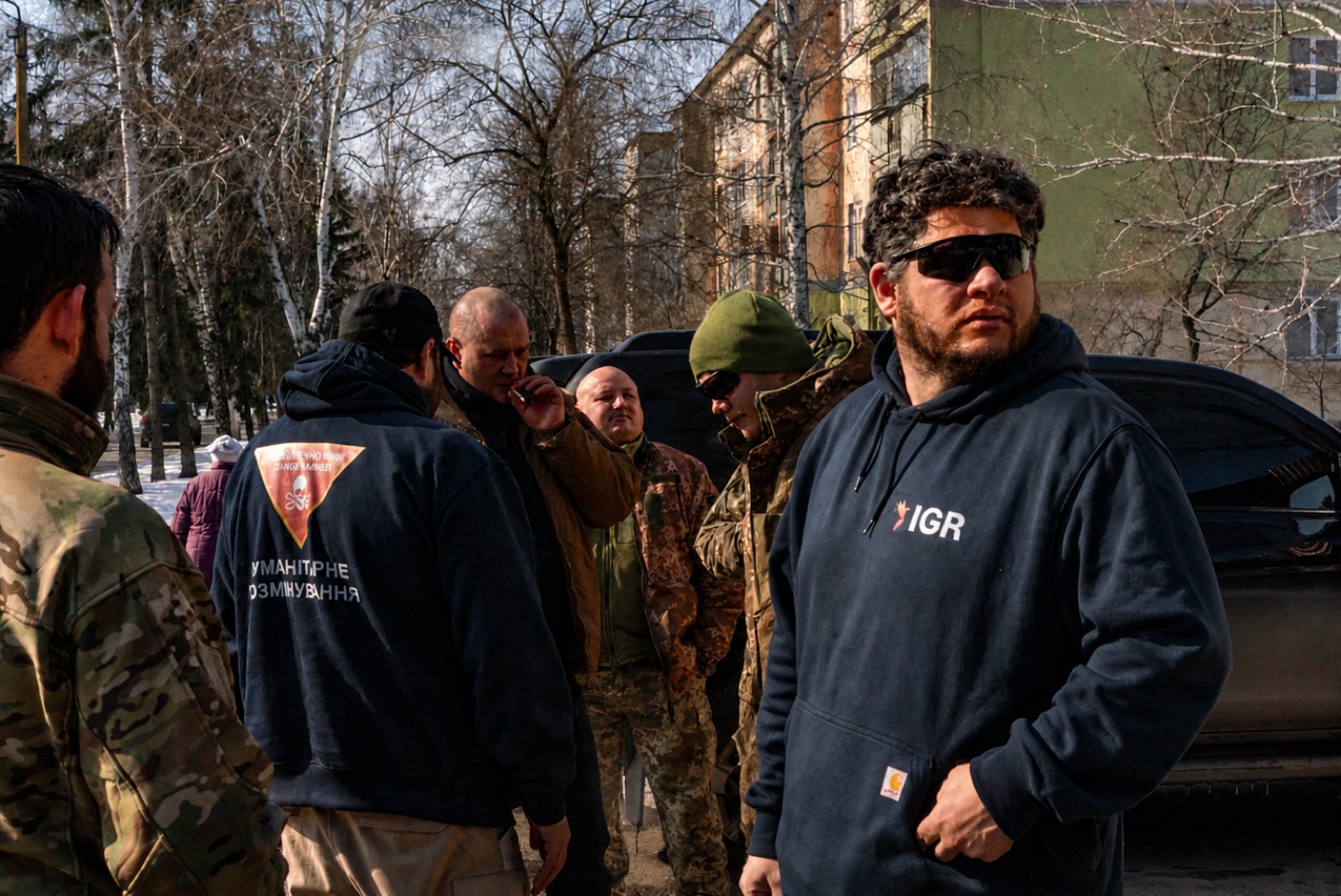
Residents, land users, authorities, responders, and humanitarian organizations help identify suspected hazards and the access priorities that matter most.
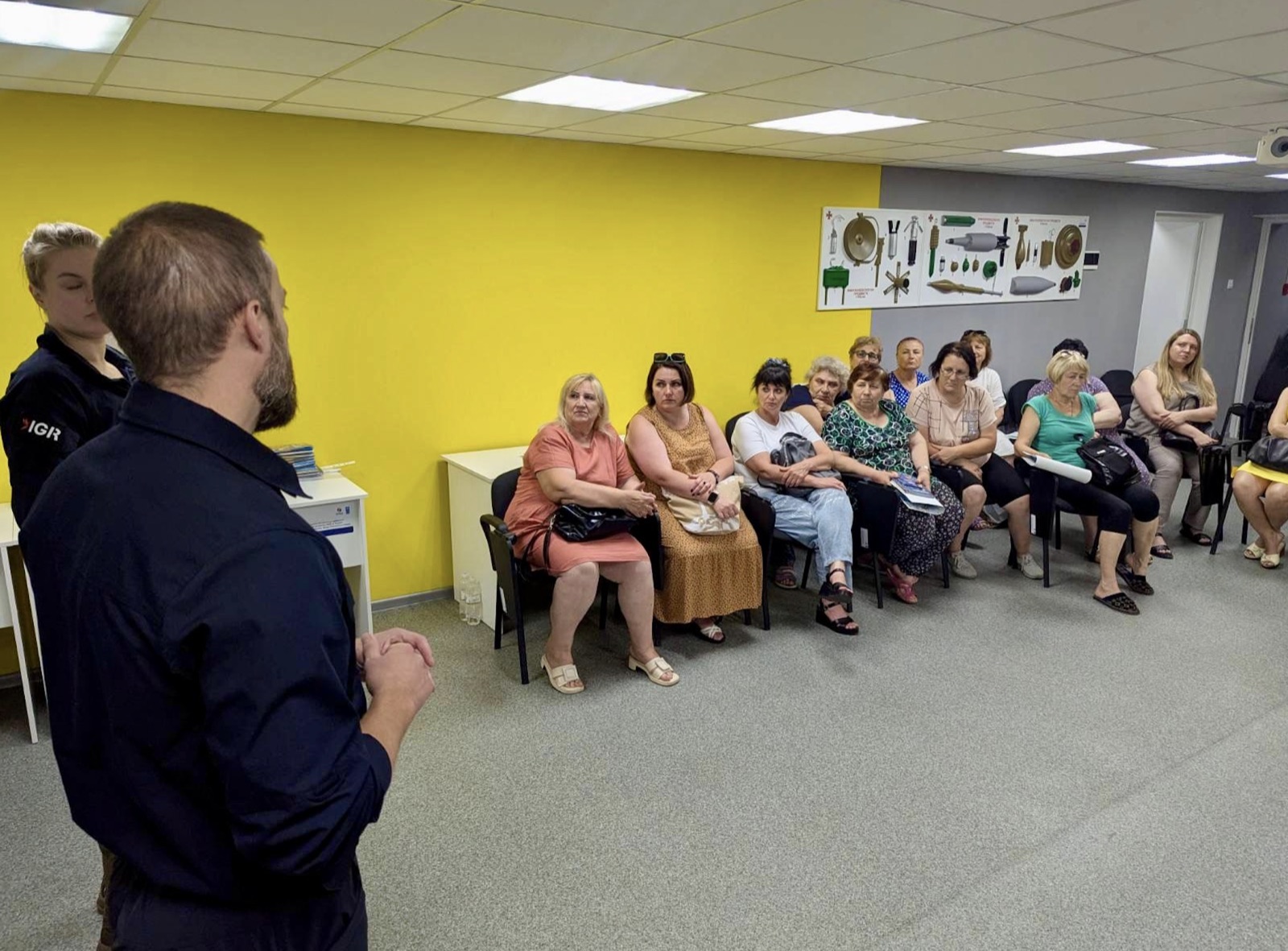
Context-specific information helps people recognize warning signs, avoid unsafe actions, report hazards, and respond more safely before clearance is complete.
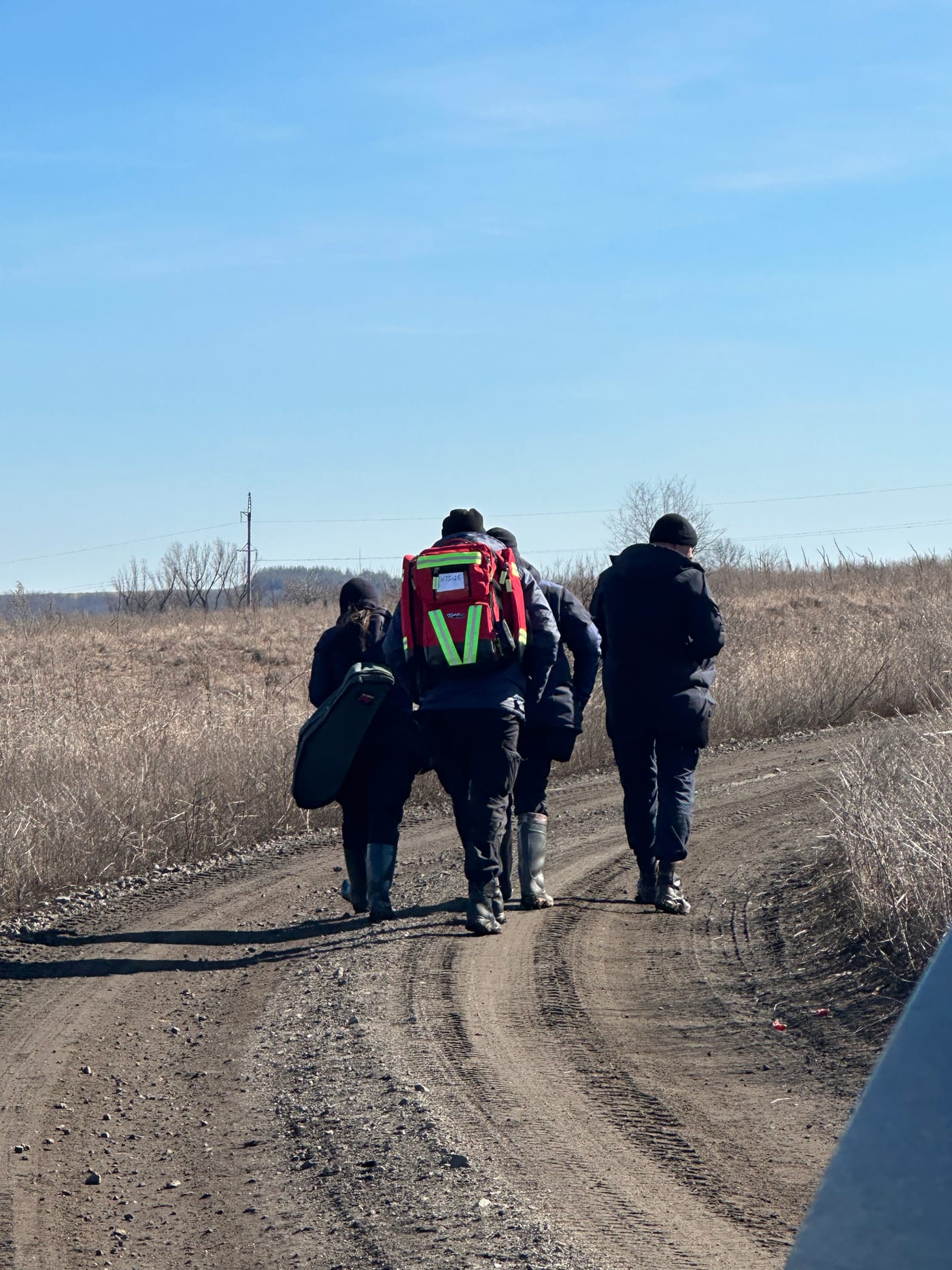
Local reports and operational information guide survey, site and route assessments, contamination mapping, prioritization, and planning.
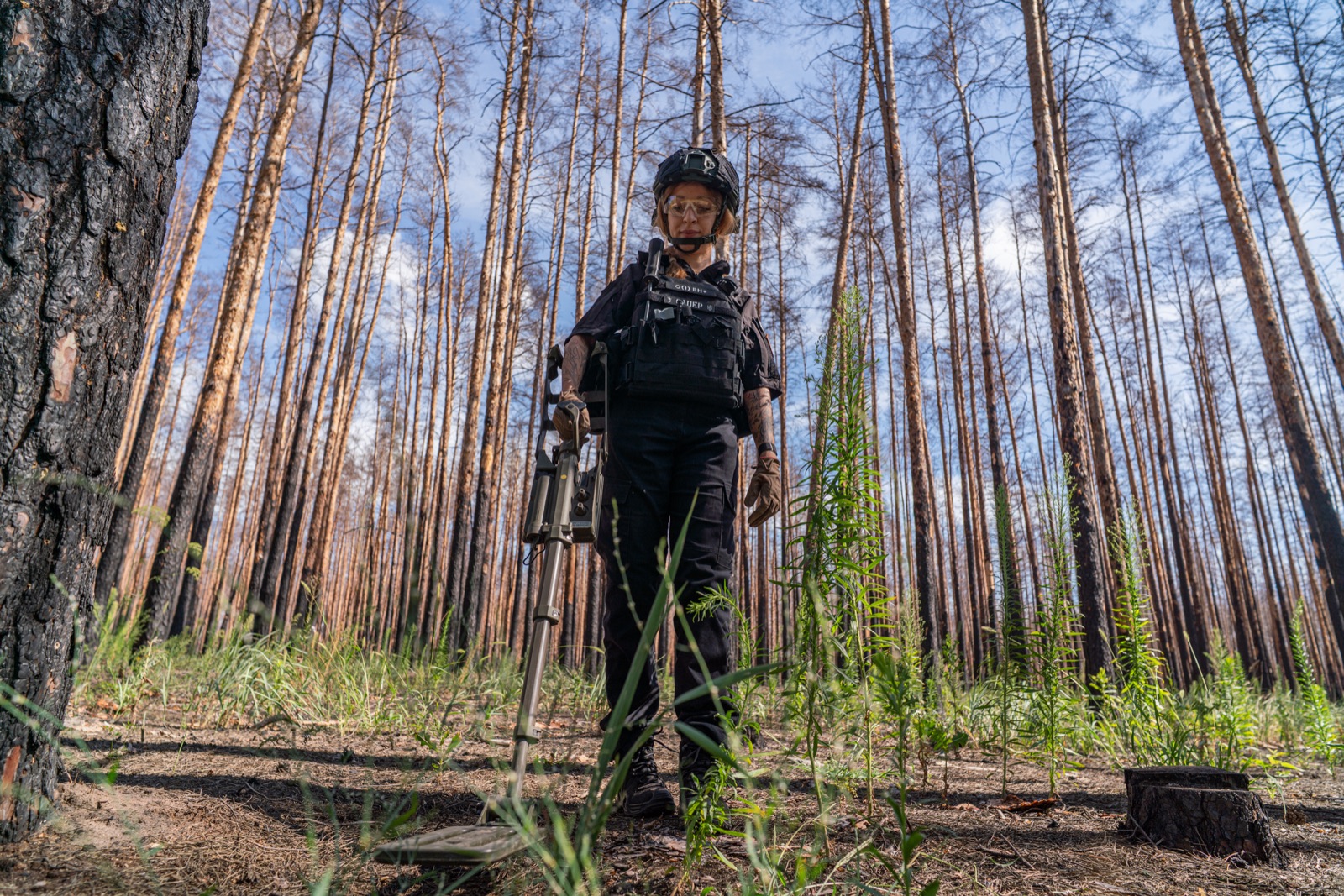
IGR contributes to manual clearance, explosive ordnance disposal, battle area clearance, and mechanical demining through qualified personnel, technical assistance, and support integrated with authorized partner operations.
Humanitarian and stabilization support
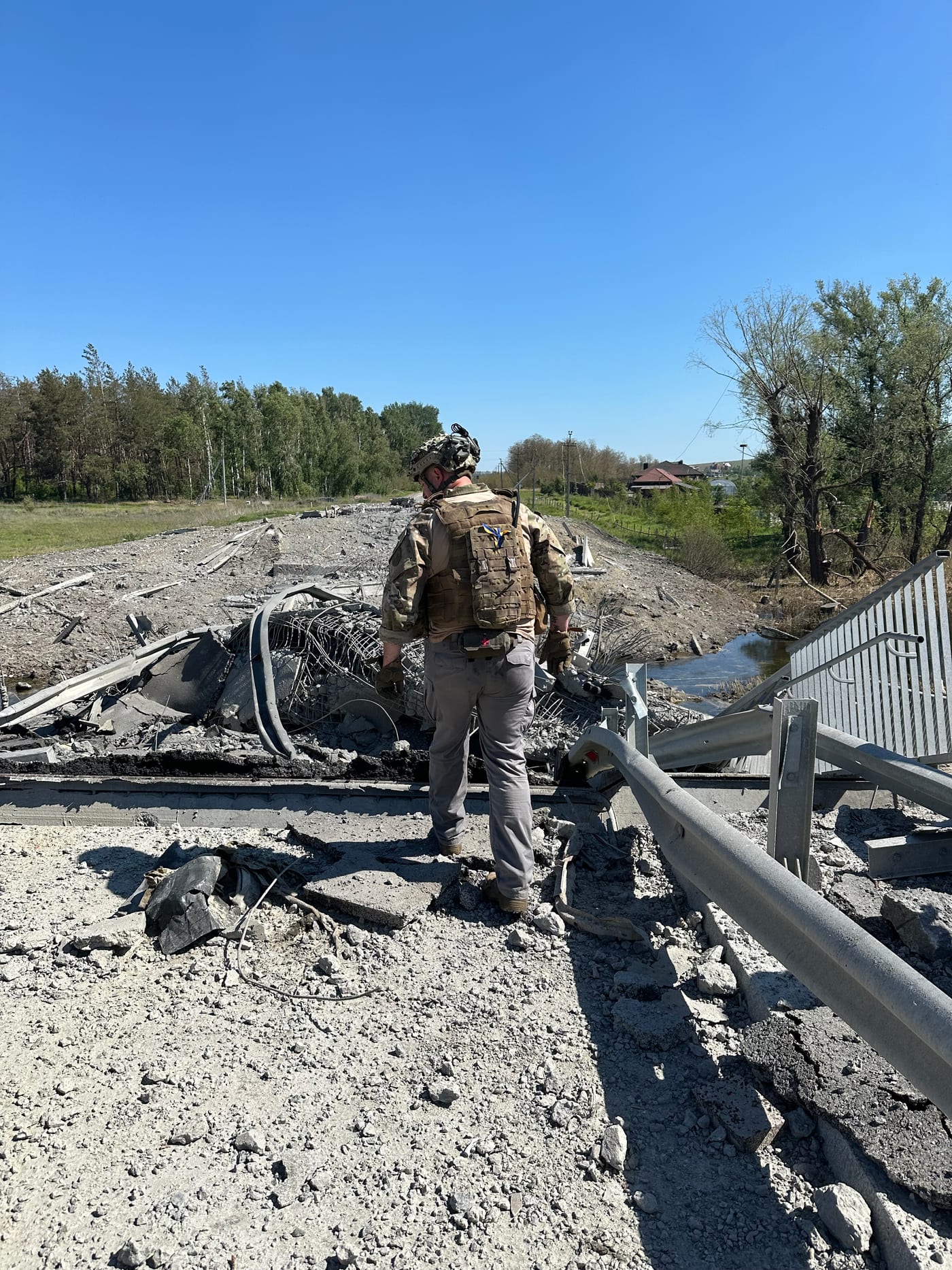
Active conflict and sudden emergencies can quickly change which routes, communities, and essential services remain safe to reach.
IGR provides targeted operational support to humanitarian organizations and national and local authorities when access is constrained by conflict or explosive threats. Teams adapt to the situation, working alongside local responders and responsible authorities rather than creating a parallel response.
Advocacy
The people closest to the work often have the clearest view of what is effective and what is getting in the way.
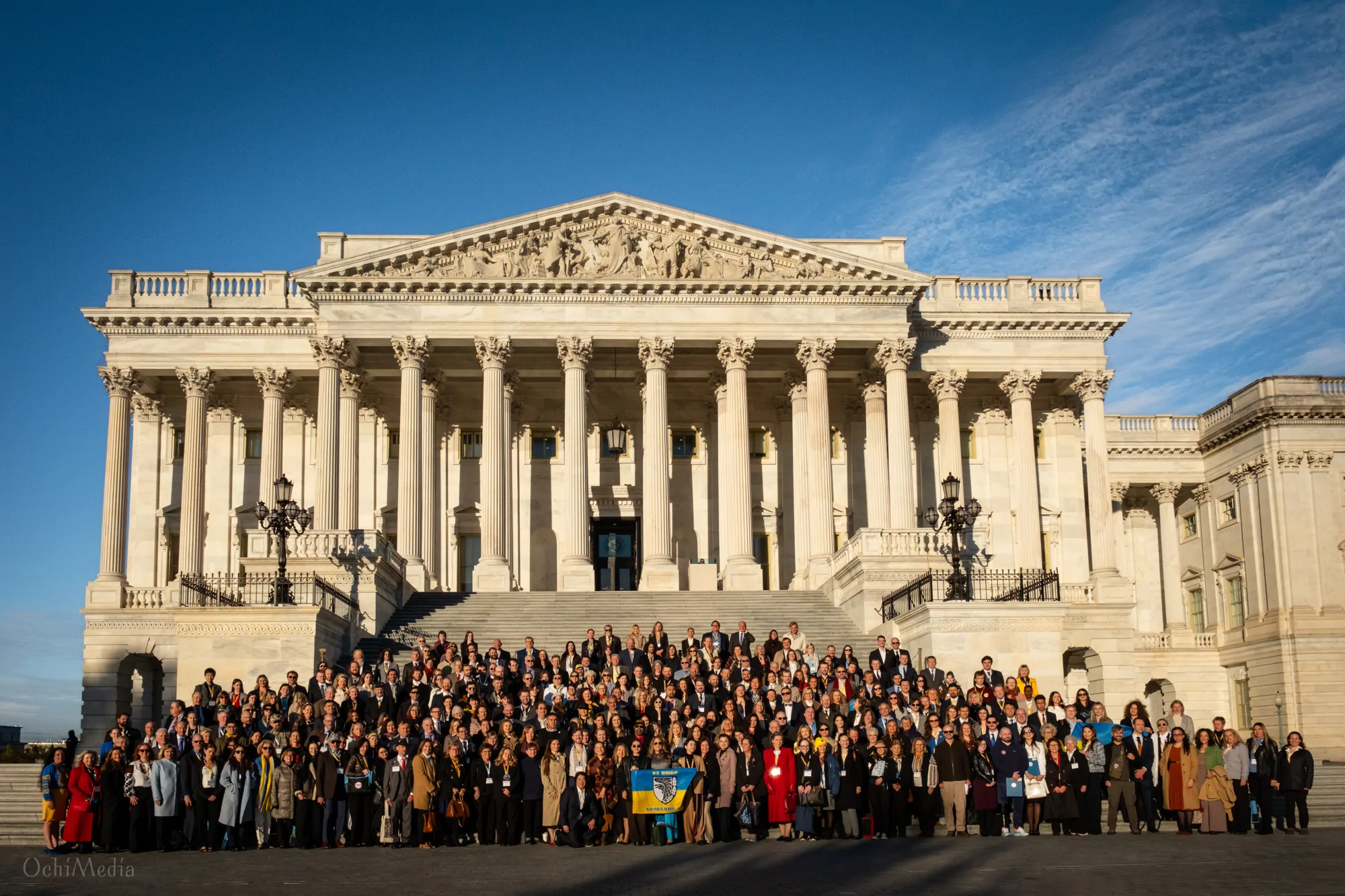
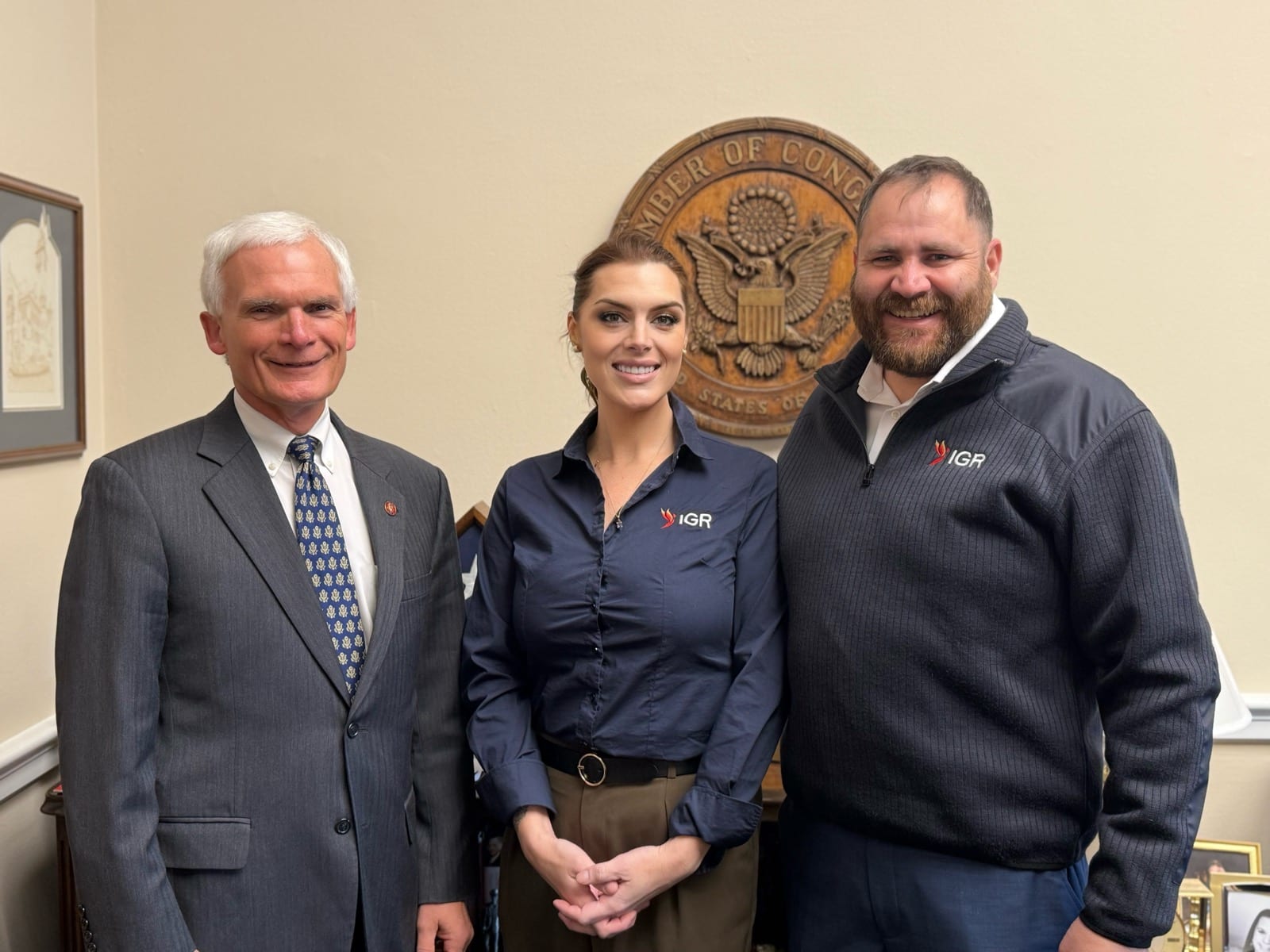
IGR connects operational experience with policymakers, donors, national authorities, humanitarian organizations, and technical partners. We advocate for practical approaches that strengthen locally led action, improve coordination, and direct support toward solutions that can be sustained.
IGR is a proud member of the American Coalition for Ukraine, working alongside organizations committed to strengthening American support for Ukraine.
Support the work